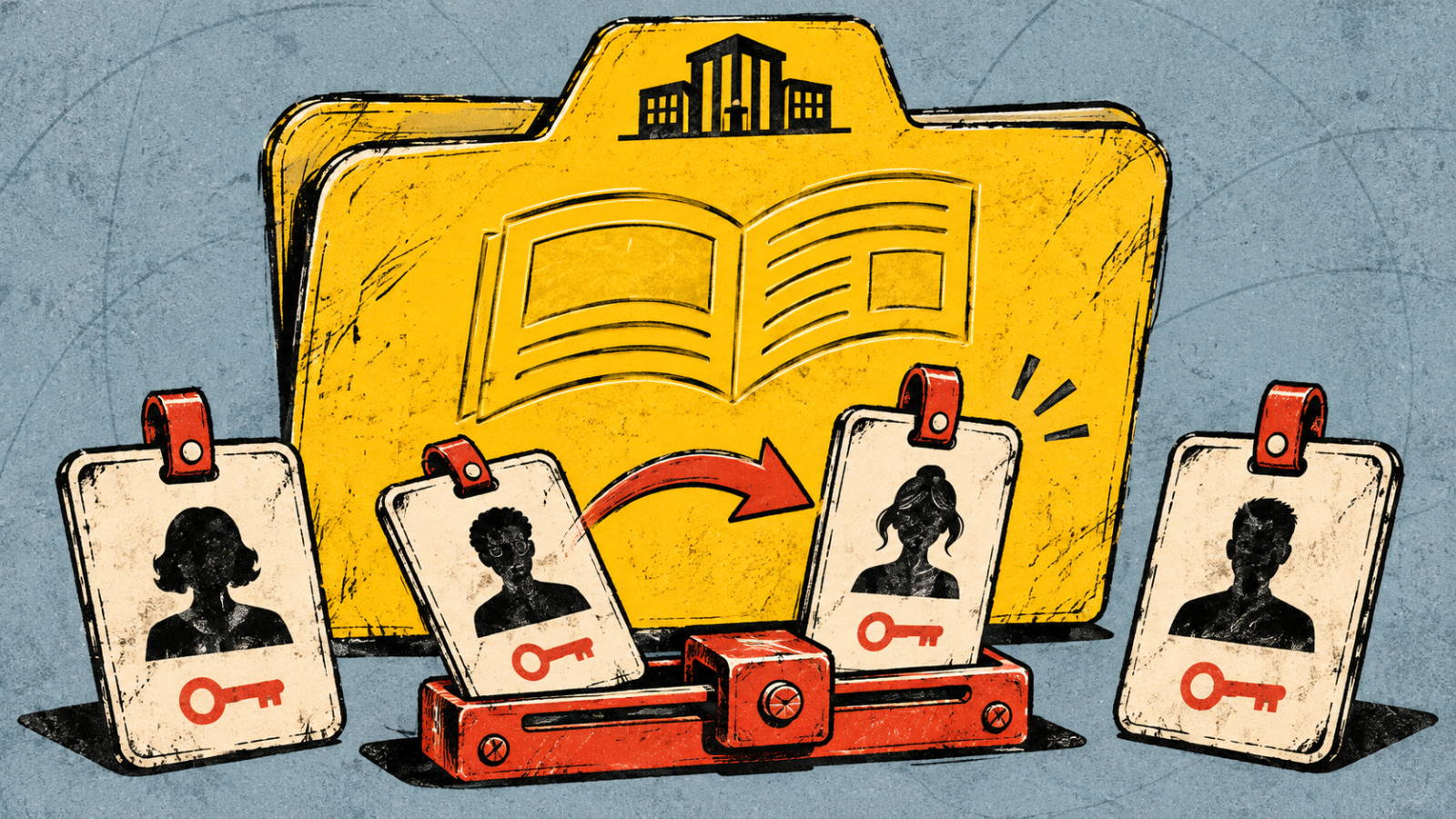
A company subscription lets one organization pay for several people to read your publication. To offer it on your own website, decide who buys the subscription, who handles its bills, who assigns readers and what each reader can open. These responsibilities can belong to different people.
That distinction becomes useful the first time an employee leaves. The company may still have a paid subscription, the invoice may still go to the right person, and one reader's access needs to move to a replacement. A single shared login makes those separate jobs difficult to handle deliberately.
Start with an offer you can explain to a customer
Here is a hypothetical example. A professional publication sells a company one annual subscription for five named readers. Each reader gets an individual login and access to the same paid articles. The offer allows its appointed manager to replace a reader, with the old assignment ending when the new one starts. These are proposed terms for the example, not a particular product's default settings.
Before choosing software, the publisher needs to settle the details. Does access cover the current issue, the archive or both? Can the company add readers during the year? What happens to access to previous issues when the subscription ends? Write the answers into the offer and make sure the website can apply them.
The five places are often called seats. A seat means an available reader assignment under the offer. It is useful to give that word a clear meaning before it appears on a price page or invoice.
The company and its billing contact
The company is the customer buying the subscription. Its billing contact receives invoices and payment questions. Receiving an invoice does not itself give that person access to paid articles or permission to assign readers.
The seat manager and individual readers
The appointed seat manager assigns or removes the company’s reader places within agreed limits. Each reader signs in personally and receives the reading access attached to their assignment. The same person may hold several roles, but each permission still needs to be granted deliberately.
For this example, the company appoints its office manager to assign readers and a finance colleague to handle invoices. One of the five readers could also be the office manager. That does not require every reader to become an administrator, or every administrator to occupy a paid reader place. Decide whether those arrangements fit your offer.
A number on the bill does not identify the readers
Billing software can charge for a quantity of units. Stripe's subscription quantity documentation, for example, describes this kind of billing. It does not make a quantity of five into five identified people with permission to read your articles.
Your subscription system needs to connect the purchased allowance to the company's assignments and then check what each signed-in person may read. In the example, a sixth invitation should receive an agreed response: perhaps the manager must remove an assignment or arrange an increase first. The invitation alone must not silently change the purchased quantity.
Identity and permission also deserve separate decisions. Microsoft's Power Pages security guidance illustrates the distinction between users, roles, page permissions and permissions for underlying data. It is a provider example, not a recommendation to use that product for subscriptions. For a publisher, the practical question is which actions and content each role may reach.
Replace a reader without passing around a password
Suppose one of the five readers leaves the company. Its seat manager removes that person's company assignment and invites the replacement. Under the example's proposed policy, the old assignment loses company-funded access when the replacement assignment begins. Agree how an unaccepted invitation is counted so the manager can see whether a place is available.
The system should distinguish the person from that particular assignment. The departing employee might also hold a personal subscription to your publication. Removing the company's contribution should not delete that unrelated purchase. Ask the supplier to show how the website reaches the correct access decision when one person has both kinds of subscription.
Managing reader assignments does not require access to every reader’s private reading history. Decide what the company manager actually needs to see, such as names, invitation status and occupied places. Define any additional reporting separately, including who may see it and how readers are informed.
Staff changes affect managers and billing contacts too. A finance colleague leaving should change the invoice destination without replacing all the readers. If the seat manager leaves, the publisher needs an agreed way to verify the company's replacement contact and transfer that responsibility. Giving every employee administrator rights is an avoidable way to handle this problem.
Decide when payment changes reading access
For the hypothetical annual offer, write down the start date, renewal date and what the next payment buys. Also settle whether renewal happens automatically or needs approval, who receives the notice and how the company requests cancellation. An invoice being created, a payment being received and a reading period beginning are separate events.
A failed payment needs a visible, agreed outcome. You might offer a grace period while the billing contact resolves it, or pause access at a specified point. State when that happens, who is notified and who can resolve an exception. There is no universal cutoff that fits every company subscription.
The company cancels renewal
Decide whether the current paid period continues to its end, what happens to archive access afterward and whether reader assignments are retained for a possible return. Explain the actual terms to the customer before purchase.
The company changes its allowance
Agree when an increase or decrease takes effect and what happens to occupied places. Confirm the charge and any adjustment under the chosen billing configuration. Removing a reader, reducing the bill and ending the subscription are different actions.
Support needs enough information to explain a mismatch: the company, the agreed reading period, payment status, purchased allowance and the affected reader's assignment. Name who handles the customer conversation and who investigates a technical access problem. The billing provider's record alone may not explain why an article is locked.
Ask a membership supplier to show this exact offer
A supported membership product may already cover the company offer you need. Ask the supplier to demonstrate the actual edition and configuration before commissioning extra work. Start with the five-reader example, rather than a general promise that the product supports subscriptions.
Use invented companies and reader accounts in a supported, separate test setup, with real charges and customer messages disabled. Buy the example allowance, assign its readers, try a sixth invitation, replace a departing employee and change the billing contact. Then demonstrate renewal, failed payment and cancellation under the terms you propose. Inspect the resulting permissions and records as well as the screens.
Include a reader who also has a personal subscription. Check what the seat manager can see and do, and what an ordinary reader cannot. Have the supplier demonstrate an attempted action outside each role's permissions. A working purchase screen proves less than the full company subscription you intend to sell.
If the supported product handles the offer, configuration and an agreed support arrangement may be enough. If it falls short, identify the exact missing behaviour. An extension or custom work may make sense when that gap matters to the offer, with responsibility for updates, payment connections and access rules agreed before launch.
We can discuss custom platform work around a defined gap in your publication's subscription offer. Scope, price, licence, handover and ongoing care are agreed for the particular project. Bring the offer, the reader-replacement example and the behaviour the existing product could not demonstrate.
Questions about company publication subscriptions
Can one company pay for several named readers?
Yes, if that is the offer your publication chooses and its system supports. Define the purchased allowance, each reader’s access and who may assign or replace readers. The company can have separate billing and seat-management contacts.
Does a billed seat automatically give someone access?
No. A billing quantity records what is charged. Your website still needs to identify the reader, connect them to an authorized assignment and check what that assignment lets them read.
What happens when a reader leaves the company?
Apply the agreed replacement policy to their company-funded assignment and give the replacement an individual login. Preserve unrelated personal subscription rights. Changing an assignment should not automatically transfer private reading history to the company manager.
Should reading access stop as soon as a payment fails?
Follow the terms chosen for the offer. Define any grace period, the access cutoff, notifications and who resolves exceptions. Test that behaviour before launch, alongside renewal and cancellation, so support can explain what happened.