
How Many of Your Readers Will Actually Pay, and What That Means for Your Target
15% of
If your
subscription target
assumes anything close to
What the addressable pool actually looks like
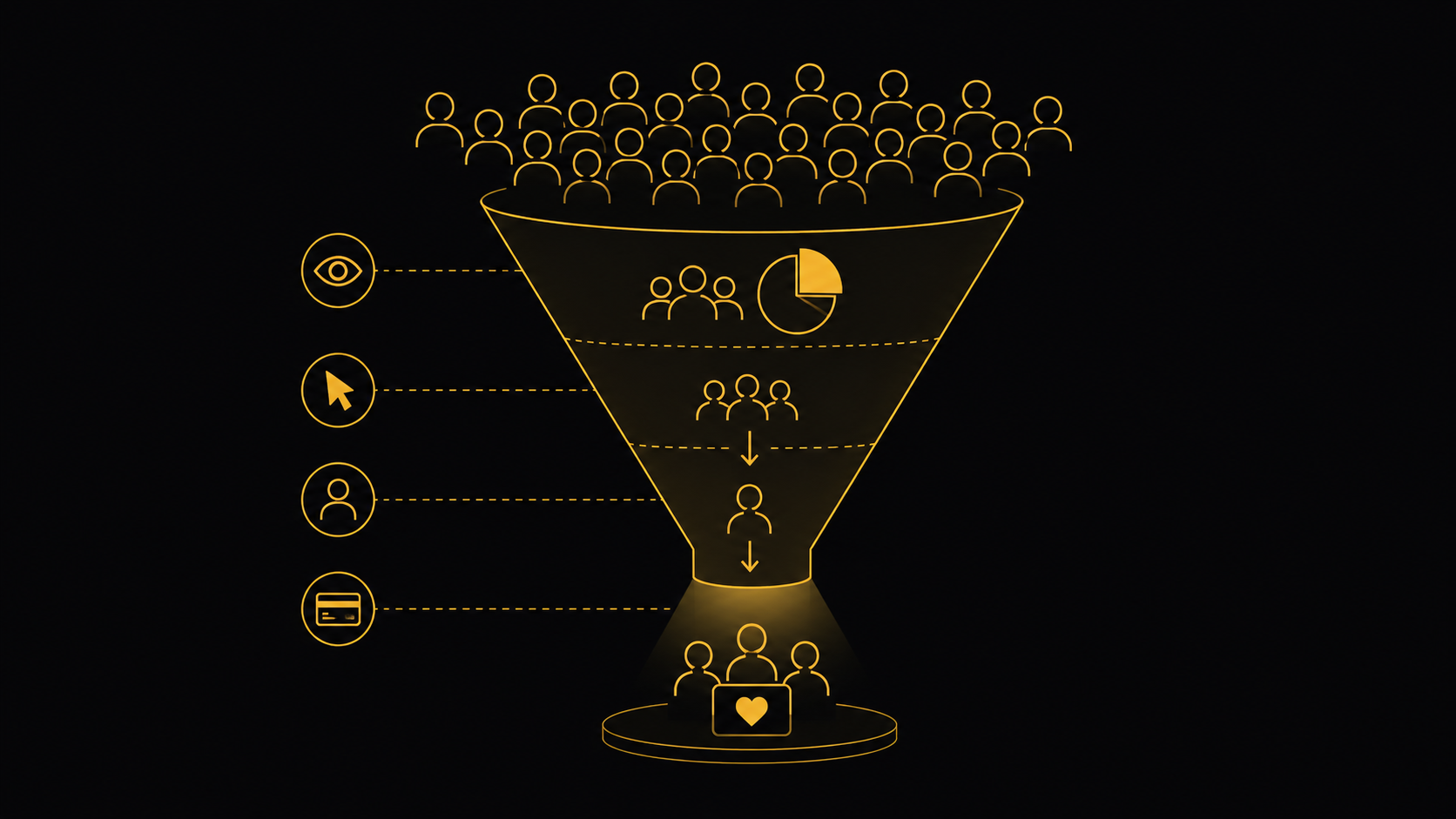
Start from readers, not from population. If your site reaches 20,000 monthly readers and 15% would ever consider paying for local news, roughly 3,000 people are your realistic ceiling for conversion , not 20,000. Real conversion rates land well below that ceiling too, since "willing to pay in principle" and "actually subscribes" aren't the same group.
CivicScience's 2026 subscriber data shows who's inside that smaller pool. Local news subscribers skew older: 36% are 55 or above, a similar pattern to national news at 39%. That's a different age profile than shopping content (67% of subscribers under 35) or health and fitness content (61% under 35). If your acquisition strategy is built around reaching younger readers with short-form content and social discovery, you're optimizing for an audience that pays for other categories of content at a much higher rate than it pays for news.
Setting a target from this
A realistic subscription target for a local outlet starts with your actual reach , applies something closer to Medill's 15% as a ceiling rather than an average expectation, and then further discounts for the gap between stated willingness and actual conversion . A target of 1-3% of monthly readers converting to paid subscribers, not 15%, is a more defensible starting point, and even that will vary by market.
This isn't a reason to abandon subscriptions. It's a reason to size the goal correctly before you build a business plan or a paywall strategy around a number the readership data doesn't support.

Started with video subscription and
After years, we
Questions we get asked directly
Does the 15% figure mean 15% of our readers will subscribe?
No. 15% is
Is the older subscriber base a problem we should try to fix?
Not necessarily a
Should we lower our subscription price to reach more of the 85% who currently won't pay?
Price isn't