
Do I Need To Be Technical To Run My Own Content Creator Mobile App Or Website?
You don't
have to. There is
no requirement for you to
do anything more than create content and maintain follower
It's good to understand the basics of your own project, though - just enough to give better answers when your followers or customers ask questions.
How much technical skill you actually need depends on which kind of "custom" you choose. Let's rank them.
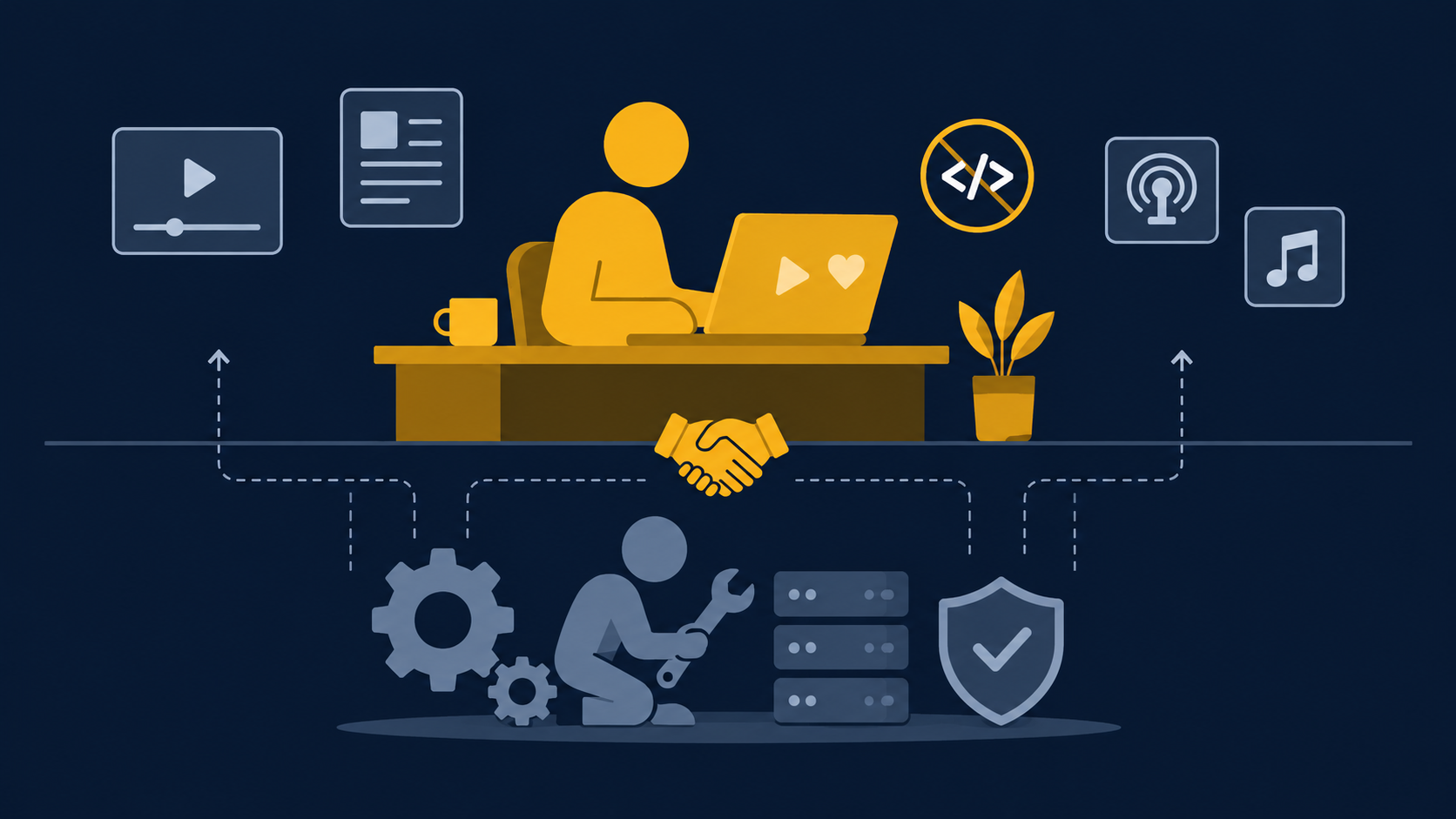
The Three Kinds Of "Custom"
- And The Skill Each One Asks Of You
WordPress and website builders . Wix, Squarespace, WordPress with a membership plugin. This is the DIY tier, and the technical demand is moderate. You'll be picking themes, installing plugins, connecting a payment gateway, and reading a help article now and then (or AI summary of it). A patient Content Creator can absolutely manage it. But you are the admin - updates, settings and small fires land on your desk.
Vibe coding . You describe what you want, AI builds it. Getting something on screen takes almost no skill, which is always good to be suspicious about. Keeping it running takes the most skill of all three, because you become the only maintainer of code nobody truly knows. If you enjoy tinkering, it can be a fun path. As the backbone of a Content Creator business, it demands the technical confidence of an actual developer.
Premium custom from a software company . The tier where the technical requirement for you drops to essentially zero. A professional team designs, builds and operates your Content Creator platform. Your role stays creative. Ours - or whoever you partner with - stays technical.
So the honest ranking, from most technical to least: vibe coding, then WordPress, then a professional partner .
Where The Fear Comes From
"Custom app" sounds like code, servers, and things breaking at 4:39 AM. So Content Creators assume owning their own space means becoming a developer on the side.
It doesn't. Making an app or website is a technical job. Running one - on the right tier - isn't. The fear comes from mixing those two up, usually after hearing horror stories from the DIY tiers above.
What You Actually Do Day To Day
Honestly? The same things you already do on any platform, plus one that platforms used to hide from you:
- Publish your content and decide what's free and what's premium
- Talk to your followers and keep the community alive
- Watch how sales and subscriptions are doing
- Customer support - answering your followers when a payment didn't go through, a login doesn't work, or they simply can't find something
That last one surprises people. On Patreon, the platform absorbs part of it. On your own space, your followers write to you - and that's a good thing. Every support question is direct contact with a paying fan. With a professional partner, anything genuinely technical gets passed along; you only handle the human side.
None of this needs a single line of code or knowing what a “server” is.
The Technical Part Belongs To Someone Else
Servers, security, updates, bug fixing, keeping payments flowing - when using a technical partner, like LINK-V, this entire world is your partner's responsibility, permanently. Not as a favor, but as the actual service you're paying for.
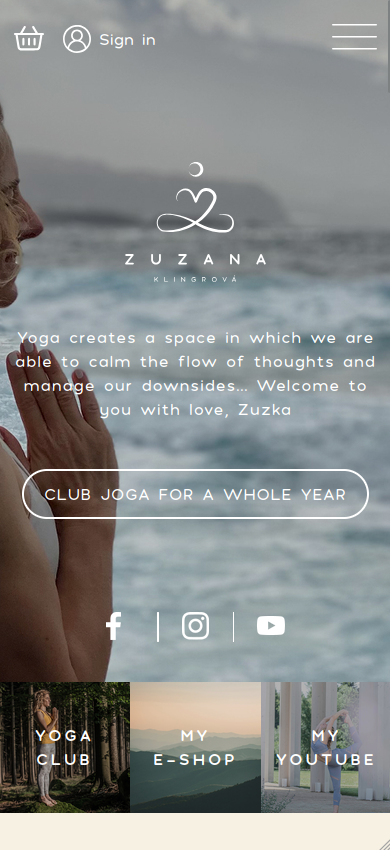
Started with video subscription and
After years, we
This is also why understanding the basics helps: when a follower asks "is my card data safe here?", you want to answer confidently. Your partner gives you those answers; you pass them on in your own voice.
The Price Already Covers The Technical Side
Here's the part Content Creators often miss when comparing costs: technical maintenance and support for you is always included in the quoted monthly price - or negotiated into a one-time price if you prefer that model.
It's not an add-on, not an hourly surprise on top. When we quote a monthly figure to a Content Creator, keeping the platform healthy and answering your technical questions is baked in. You're not budgeting for a developer emergency fund. The number you agree on is the number.
Check out Timeless - that's how we make top quality custom apps and websites with constant support and partnership with the goal of your success.